


Zulu king calls for KwaZulu-Natal name change
A renewed debate on history, identity and unity emerges as the Zulu king calls for KwaZulu-Natal to be renamed, with political backing adding weight to the conversation
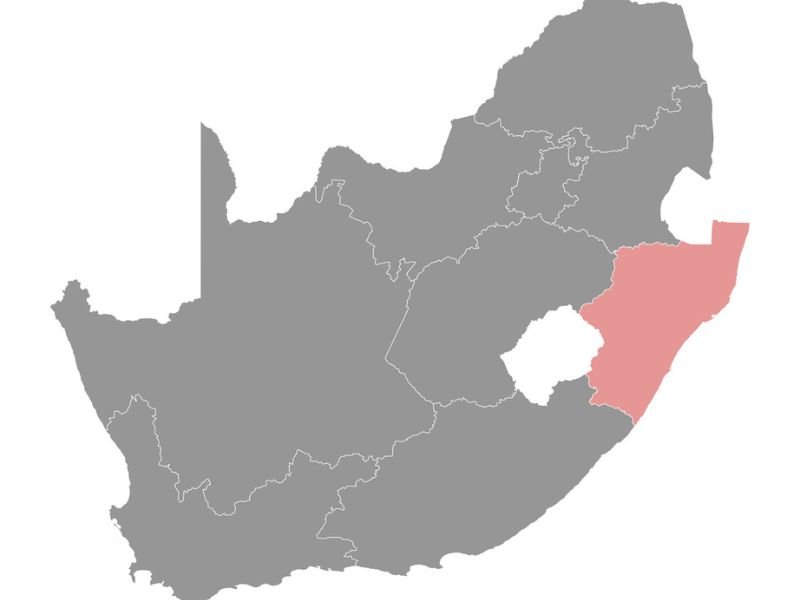
The name of KwaZulu-Natal has come under renewed scrutiny following a call by AmaZulu King Misuzulu kaZwelithini to remove “Natal” from the province’s title. The proposal has sparked both support and criticism, reopening long-standing discussions about history, identity and representation in South Africa’s provincial naming system.
The king made his intentions clear while addressing attendees at the 147th commemoration of the Battle of Isandlwana last week. During the event, he announced that he would embark on a campaign to have the province renamed KwaZulu, meaning “the place of the Zulus”. His remarks immediately placed the issue of the province’s name back into the public spotlight.
According to IOL, the announcement has drawn a mixed response, with cultural and political analysts warning that removing Natal from the name could elevate one cultural community above others and potentially undermine unity and social cohesion in the province. These concerns have been raised in the context of KwaZulu-Natal’s diverse population and its complex historical background.
ALSO READ: Parents warned: These popular kids’ shows may be shaping your child’s brain more than you think
Why has the king proposed dropping Natal from the name?
King Misuzulu’s call is rooted in history and symbolism. The name KwaZulu reflects the historical territory and identity of the Zulu Kingdom, while Natal is linked to colonial naming practices. By proposing KwaZulu as the sole name, the king has signalled a desire to foreground indigenous history and restore what he views as an accurate representation of the land and its people.
The campaign is not being presented as a symbolic gesture alone. The king has indicated that he intends to actively pursue the change, suggesting a structured effort to see the proposal considered at official levels.
What reaction has the proposal received so far?
The call has generated backlash from some analysts who argue that changing the name could have negative consequences for social cohesion. They contend that KwaZulu-Natal is home to many cultural groups and that a name focused on a single identity may be seen as exclusionary.
Despite these concerns, the proposal has also attracted significant political support. The Inkatha Freedom Party (IFP), the leading party in the Government of Provincial Unity in KwaZulu-Natal, has publicly endorsed the king’s call.
Why does the IFP support the name change?
The IFP has described the proposal as timely and historically justified. In a statement issued by the party’s chief whip in the KwaZulu-Natal Legislature, Blessed Gwala, the party said it felt vindicated by the king’s position on the matter.
Gwala noted that debates around the naming of provinces, particularly Natal, were intense during the Convention for a Democratic South Africa negotiations in the early 1990s. He suggested that the current name represents a compromise that did not fully address historical realities.
ALSO READ: Explained: How unused mobile data bundles will now work
What historical arguments are being used to justify the proposal?
In defending the call for KwaZulu as the province’s name, the IFP pointed to the historical extent of the Zulu Kingdom. Gwala said it is well documented that during the reign of King Shaka, the boundaries of KwaZulu stretched far beyond the current province.
According to the statement, these boundaries once extended to the uMtamvuna River in what is now the Eastern Cape, as well as areas such as Balfour in Gauteng and Ermelo in Mpumalanga. Subsequent demarcations, the party argued, resulted in the loss of large portions of KwaZulu, which were incorporated into other provinces.
From this perspective, the proposal to rename the province is viewed as neither surprising nor unreasonable, but rather as a response to historical changes that altered the original extent of KwaZulu.
How does this connect to other historical disputes?
The IFP has also linked the king’s call to what it describes as long-standing historical distortions, particularly concerning Pietermaritzburg. The city is often referred to as uMgungundlovu, a name that carries deep historical significance for the Zulu nation.
According to the party, the original uMgungundlovu was King Dingane’s royal palace near Ulundi, which was destroyed. The Voortrekkers later named Pietermaritzburg uMgungundlovu, a move the IFP claims was intended to mock and ridicule the Zulu people by creating a “false” version of the original site.
What happens next in the debate?
While the king’s campaign has political backing, the proposal is likely to remain contentious. Any official name change would involve extensive consultation, legal processes and public debate
For now, the call by King Misuzulu kaZwelithini has reignited discussions about how history is acknowledged in modern South Africa, and whether provincial names should be revisited to better reflect indigenous heritage while maintaining unity in a diverse society.

HOW TO LISTEN TO EAST COAST RADIO
1. Listen to East Coast Radio on the FM (frequency modulation) spectrum between 94 and 95 FM on your radio.
2. Listen live to ECR by clicking here or download the ECR App (iOS/Android).
3. Listen to East Coast Radio on the DStv audio bouquet, channel 836.
4. Switch to the audio bouquet on your Openview decoder and browse to channel 606.
5. Listen to us on Amazon Alexa.
Follow us on social media:
Image courtesy of iStock