


Male mortality from HIV overtakes women despite lower prevalence
Reports have revealed that men are dying of HIV at higher rates than women. Here’s everything we know…
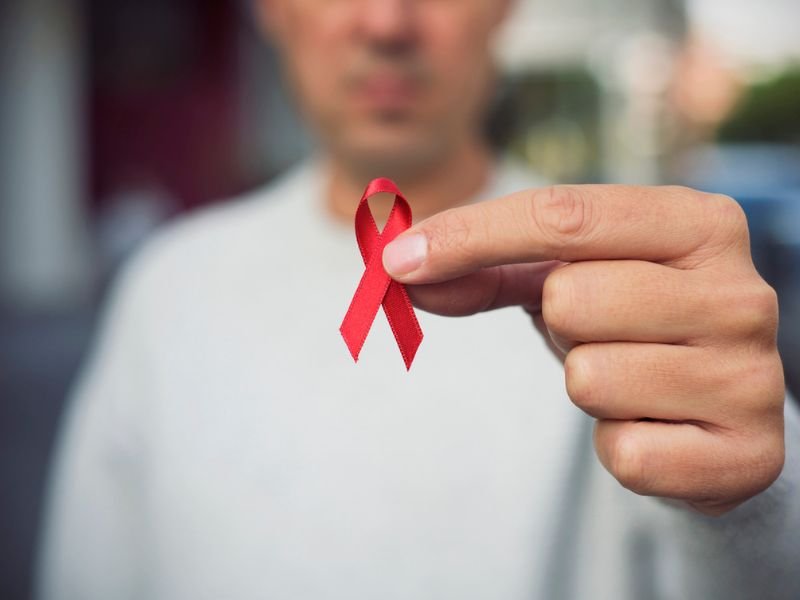
New figures from the 2023–24 financial year show a concerning trend: men are dying from AIDS-related causes at higher rates than women in South Africa. The data indicates that 27,100 men died of Aids during this period, compared to 24,200 women.
This is happening despite the fact that more women are living with HIV overall. The imbalance between infection rates and mortality has raised concerns among public health experts and advocacy groups.
According to The Witness, statistics released by Thembisa, the mathematical model of HIV and TB in South Africa, show that in 2023–24 there were 5.2 million women living with HIV, compared with 2.6 million men. The model further found that more men lost their lives due to HIV-related causes than women.
ALSO READ: Crime fighting in SA receives financial boost with R848bn medium term allocation
What do the numbers reveal about HIV prevalence?
Thembisa’s data illustrates a significant gender gap in HIV prevalence. Women make up nearly double the number of people living with HIV compared to men. At the same time, women are recording more new infections.
However, while women are more likely to contract HIV, they are also more likely to survive longer with the virus. Access to treatment has improved over the years, contributing to longer and healthier lives for many women living with HIV.
Why are men experiencing higher mortality rates?
Health specialists point to testing and treatment patterns as key factors behind the higher male death toll. It is believed that after contracting the virus, many men are reluctant to visit health facilities to begin treatment.
Dr Kate Rees, a public health specialist at the Anova Health Institute, said that although the number of people living with HIV continues to grow, fewer people are dying because treatment enables long, healthy lives. The overall number rises partly because new infections are declining each year while those on treatment are living longer.
She noted that there are more women than men living with HIV in South Africa, along with more new infections among women. However, men tend to perform worse when it comes to testing and, particularly, starting and staying on treatment. Their higher death rates are linked to inconsistent treatment uptake and retention in care.
How are women and girls affected?
Thandi Maluka, director of the Positive Women’s Network, expressed deep concern over the findings. She highlighted that although women living with HIV are surviving longer, the high number of newly infected women remains troubling.
In her daily work with women and girls, Maluka sees how gender inequality, poverty, gender-based violence and limited economic opportunities increase vulnerability to HIV. Young women and adolescent girls are especially at risk.
She stressed that prevention efforts must extend beyond awareness campaigns and address the structural and social factors driving infection rates among women. At the same time, she acknowledged that men are less likely to test early and remain in care, affecting their survival outcomes.
ALSO READ: Study: Nearly quarter of Grade 3s can’t read in their home language
What needs to change?
Maluka has called for strengthened community-based interventions, comprehensive sexuality education, economic empowerment programmes and improved access to prevention tools.
Experts agree that a balanced response is required. This includes reinforcing prevention strategies for women and girls, while also encouraging men to access testing and treatment without stigma.
Protecting women and girls from new infections, while ensuring long-term care and dignity for those living with HIV, remains a national priority. Addressing the gap in male testing and treatment could prove critical in reducing preventable deaths.

HOW TO LISTEN TO EAST COAST RADIO
1. Listen to East Coast Radio on the FM (frequency modulation) spectrum between 94 and 95 FM on your radio.
2. Listen live to ECR by clicking here or download the ECR App (iOS/Android).
3. Listen to East Coast Radio on the DStv audio bouquet, channel 836.
4. Switch to the audio bouquet on your Openview decoder and browse to channel 606.
5. Listen to us on Amazon Alexa.
Follow us on social media:
Image courtesy of iStock