


Festive season fatalities: Human behaviour reportedly dominated road crash causes
Behind every festive season statistic is a life lost. We’re taking a look at the real reasons road journeys turned fatal and what the data reveals.
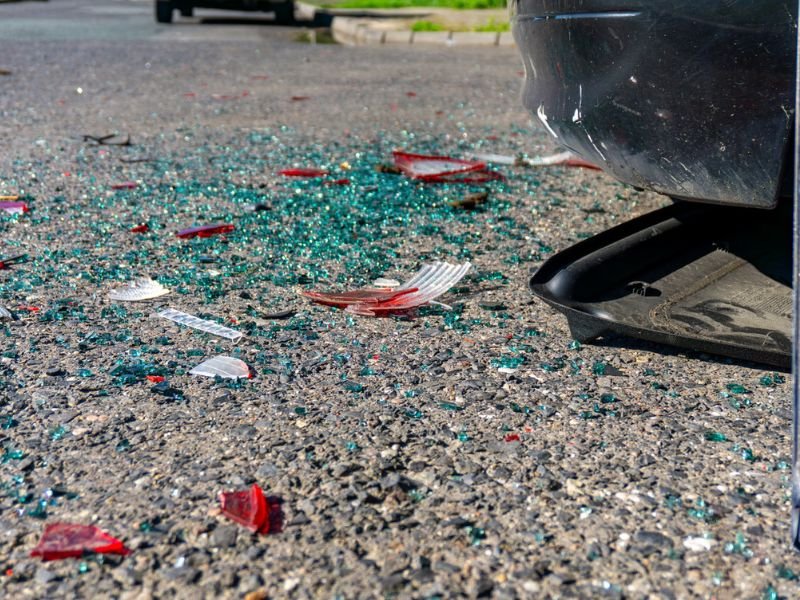
The festive season is traditionally one of the busiest periods on South Africa’s roads, marked by long-distance travel, family gatherings and increased traffic volumes. During the 2025/26 festive season, these conditions once again resulted in a significant loss of life, despite a modest improvement compared with the previous year.
Transport Minister Barbara Creecy confirmed that 1,427 people lost their lives in 1,172 crashes over the festive period. While this represented a five percent decrease compared with the previous season, the figures still point to persistent and preventable risks on the country’s roads.
According to IOL, Creecy emphasised that the overwhelming cause of these fatalities was not the state of the roads but the actions of road users themselves. Human error was responsible for about 80% of crashes, with environmental factors such as heavy rain contributing the remaining 20%.
ALSO READ: Drop in festive season death toll on country’s roads
What role did human behaviour play in festive season crashes?
Human behaviour emerged as the dominant factor behind festive season road deaths. Creecy highlighted drunk-driving, speeding and reckless driving as the leading contributors. Despite long-standing awareness campaigns, these behaviours continue to place drivers, passengers and pedestrians at risk.
While acknowledging that some roads are narrow, lack shoulders or suffer from potholes and damaged surfaces, Creecy made it clear that infrastructure was not the primary issue. She stated that the fundamental cause of road accidents remains human behaviour, reinforcing the need for accountability behind the wheel.
When did most fatal crashes occur?
The timing of crashes provided further insight into risk patterns. Most incidents occurred over weekends, with peak periods between 7pm and 9pm, and again between midnight and 1am. These timeframes often coincide with social gatherings, reduced visibility and increased alcohol consumption, all of which heighten the risk of serious collisions.
The types of crashes recorded during these periods included pedestrian knockdowns, single-vehicle overturns, head-on collisions and hit-and-run incidents. Each of these reflects situations where driver judgement, speed and alertness are critical to avoiding tragedy.
How significant was the impact of taxis on crash statistics?
Public transport vehicles, particularly taxis, were involved in a notable portion of crashes. Taxis accounted for 7% of all recorded incidents, with many resulting in multiple fatalities. Given the number of passengers typically carried, crashes involving taxis tend to have more severe consequences, amplifying the human cost of unsafe driving practices.
What enforcement measures were in place during the festive season?
Law enforcement efforts were extensive during the festive period. A total of 1.8 million vehicles were stopped at 1,632 roadblocks nationwide. These operations resulted in 450,000 fines being issued and 525 arrests for speeding-related offences.
Alcohol use remained a major concern. Out of 173,695 drivers tested, 8,561 were found to be over the legal alcohol limit. In addition to enforcement, authorities conducted 2,547 road safety campaigns at high-traffic areas, aiming to raise awareness and influence driver behaviour during peak travel times.
Which days saw the highest concentration of crashes?
The period from 15 to 28 December proved particularly dangerous, with 40% of all crashes occurring during these dates. This timeframe aligns with festive gatherings, holiday travel and increased nighttime driving, creating conditions where risky behaviour is more likely to result in serious accidents.
ALSO READ: Drunk driving, speeding remain leading cause of death of SA roads
Did all provinces experience the same trends?
The impact of festive season crashes varied across provinces. Five provinces recorded declines in fatalities, with the Eastern Cape and Free State leading these improvements. However, Gauteng, the Western Cape, Mpumalanga and the Northern Cape saw increases in road deaths, highlighting uneven progress and the need for targeted interventions in high-risk areas.
What do the annual road safety figures show?
Preliminary annual data for 2025 offered some cautious optimism. A total of 11,418 fatalities were recorded from 9,674 crashes, marking the lowest level in five years. Compared with 2024, crashes declined by 6.4% and fatalities by 6.2%, suggesting that ongoing efforts may be having an impact, even if challenges remain.
Why is government pushing for stricter drinking and driving laws?
In response to the continued role of alcohol in fatal crashes, Creecy announced plans to amend Section 65 of the National Road Traffic Act. The proposed changes would introduce a clear ban on drinking and driving, removing existing provisions that allow drivers to consume limited amounts of alcohol.
Creecy described the current legal allowance as unacceptable, stating that South Africa cannot continue to tolerate laws that permit drinking and driving. She stressed that the proposed zero-tolerance approach, combined with improved enforcement and public education, is central to the goal of halving road deaths by 2030.

HOW TO LISTEN TO EAST COAST RADIO
1. Listen to East Coast Radio on the FM (frequency modulation) spectrum between 94 and 95 FM on your radio.
2. Listen live to ECR by clicking here or download the ECR App (iOS/Android).
3. Listen to East Coast Radio on the DStv audio bouquet, channel 836.
4. Switch to the audio bouquet on your Openview decoder and browse to channel 606.
5. Listen to us on Amazon Alexa.
Follow us on social media:
Image courtesy of iStock