


Digital driver’s licence prototype built in three months set to change SA roads
A small team built South Africa’s digital driver’s licence prototype in just three months.
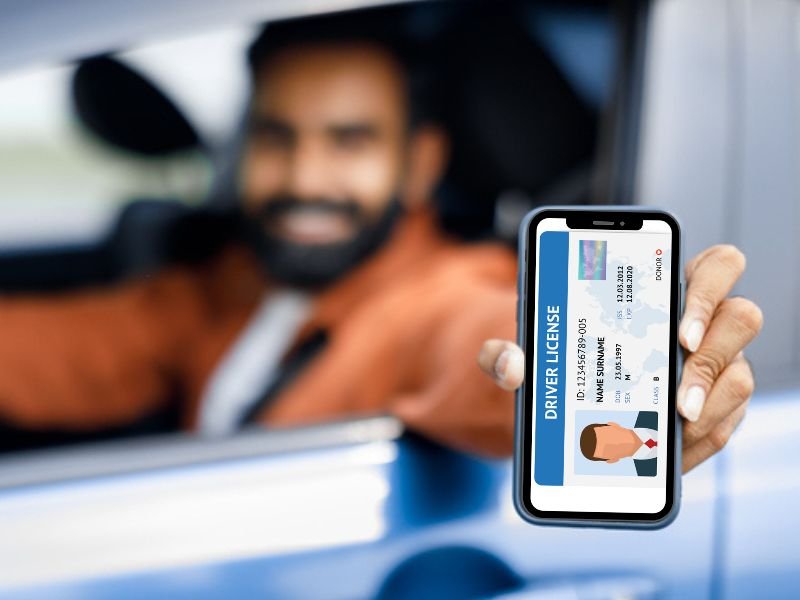
South African motorists could soon replace their physical driving licence cards with a fully digital version after a small team within the Presidency developed a functional prototype in just three months. The rapid progress was demonstrated earlier this month when communications minister Solly Malatsi showcased the digital system at the Global Digital Public Infrastructure Summit.
During his keynote address, Malatsi displayed the digital renewal process from his smartphone, giving the audience a first-hand look at how the system may operate.
ALSO READ: Break too many AARTO rules? You could land up in rehab
What is the MyMzansi platform and how does it relate to digital licences?
According to My Broadband, the demonstration formed part of a broader prototype for the MyMzansi platform, announced by Malatsi in September. This platform is aligned with South Africa’s Digital Transformation Roadmap, which was launched in May 2025. At the time, the Presidency established the Digital Service Unit, led by entrepreneur and investor Melvyn Lubega.
Lubega has an extensive background in technology and innovation. He co-founded Go1, an online professional learning platform that attracted significant investment from global companies such as SoftBank, Microsoft, Salesforce, SEEK, Oxford University and Y Combinator. He later joined Breega, a Paris-based venture capital firm and currently serves on the board of Adcorp.
Who contributed to building the digital licence prototype?
Reports recently surfaced suggesting that a four-person DSU team developed the digital driver’s licence prototype. Lubega responded by clarifying that many people contributed to the project. He noted that while he appreciated being acknowledged, the credit should go to the numerous departments and teams that collaborated.
He explained that when government functions as a united structure, it becomes possible to achieve outcomes that would otherwise be impossible for a single entity.
Richard Gevers, deputy head of the DSU, told News24 that the digital licence prototype uses open-source software adopted by countries including India, New Zealand, Brazil and the United Kingdom.
How will motorists renew their licences digitally?
Malatsi explained that the MyMzansi prototype app demonstrates how a driver’s licence renewal could be completed in minutes. The platform connects to existing national systems, allowing credentials to be verified and personal details updated within the app.
When renewing a licence, the app displays a form that motorists must fill in and digitally sign. Users must also capture a photo of themselves as part of the verification process. Once the form is completed, the user proceeds to a secure payment page where renewal fees can be paid.
After payment is processed, the renewed digital licence appears immediately within the application.
ALSO READ: The TV Licence is DEAD… but there's a possible replacement
How will digital licences be verified by traffic officers?
The digital version of the licence contains a QR code that traffic officers can scan to confirm its authenticity. Malatsi said the system ensures that verification happens digitally, reducing opportunities for on-the-spot interactions that have historically raised concerns.
What role will digital identity play in government services?
Earlier this year, when Malatsi first introduced the MyMzansi platform, he emphasised that it forms the foundation of the government’s digital transformation efforts. The central idea is establishing a single digital identity for every South African, enabling access to multiple government services through one secure channel.
He further stated that the app will be zero-rated, allowing users to access it even without mobile data.
What are the main pillars of the Digital Transformation Roadmap?
Malatsi outlined four key initiatives that drive the Digital Transformation Roadmap:
A digital identity system that allows citizens to verify themselves and use services remotely.
A data exchange framework designed to remove operational silos in government and support improved coordination.
A digital payment system providing widely accessible, secure, low-cost payment options.
A zero-rated digital service platform providing access to government information and services
How will the transformation plan be implemented?
The roadmap is split into two phases. Phase 1, running from 2025 to 2027, focuses on building core components of digital public infrastructure, such as social protection systems, digital identity and unified digital channels. This phase also includes pilots for Digital ID, Data Exchange and the initial payment and service integration projects.
Phase 2, running from 2028 to 2030, will expand the technologies introduced in Phase 1 and apply them across broader sectors such as healthcare, education and business services.

HOW TO LISTEN TO EAST COAST RADIO
1. Listen to East Coast Radio on the FM (frequency modulation) spectrum between 94 and 95 FM on your radio.
2. Listen live to ECR by clicking here or download the ECR App (iOS/Android).
3. Listen to East Coast Radio on the DStv audio bouquet, channel 836.
4. Switch to the audio bouquet on your Openview decoder and browse to channel 606.
5. Listen to us on Amazon Alexa.
Follow us on social media:
Have a similar story or something unique to share? Email us at [email protected], we would love to hear from you!
Image courtesy of iStock