


Best before, sell-by or use-by? What food date labels really mean for safety and quality
Food date labels cause confusion for many households. This guide breaks down what each date really means and how it affects safety, quality and waste.
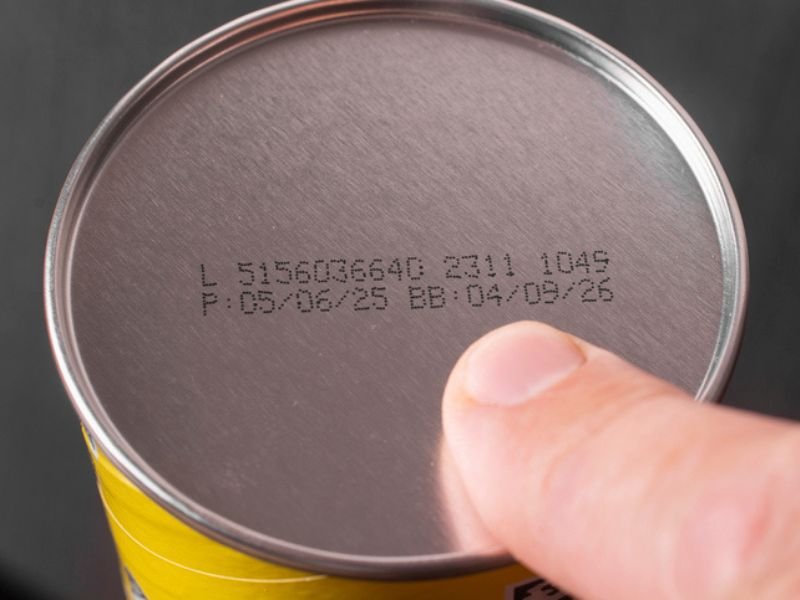
There are two familiar approaches to food that has passed its printed date. Some people rely on sight and smell before making a decision, while others discard items the moment a date has passed. While caution around food safety is sensible, confusion about date labels often leads to unnecessary waste and avoidable costs.
Understanding what different food dates actually indicate can help households make better choices. It can reduce waste, save money and support those who need to stretch their food budget further. The key lies in knowing the difference between best-before, sell-by and use-by dates, and why they exist.
According to a discussion on East Coast Radio's sister station, JacarandaFM, with Prof. Gunnar Sigge, a food scientist, associate professor and Head of the Department of Food Science at Stellenbosch University, these dates are defined in law and how consumers should interpret them.
ALSO READ: Deleted WhatsApp messages can still land you in legal trouble
What does South African law say about food date markings?
South African food labelling is regulated by the Foodstuffs, Cosmetics and Disinfectants Act, 1972 (Act 54 of 1972). Regulation 146 of 1 March 2010 sets out the rules for the labelling and advertising of foodstuffs. This regulation requires all packaged food products to carry a date marking.
The law specifies that food must display either a best before, use-by or sell-by date, depending on the nature of the product. It also prescribes how these dates should be presented on packaging. Importantly, South African legislation does not recognise the term expiry date, even though it is commonly used in everyday language.
What is a sell-by date and who is it for?
A sell-by date is primarily intended for retailers rather than consumers. It indicates the final date on which a product should be offered for sale. After this point, there is still a reasonable period during which the food can be safely stored and used at home.
These dates are sometimes shown as “display until”. They assist shops in managing stock rotation and ensuring products are sold while they are still within an acceptable quality window. For consumers, a sell-by date does not mean the food becomes unsafe immediately after that date.
What does best before actually mean?
Best-before dates are typically found on non-perishable foods. These include products that have a long shelf life and do not pose an immediate safety risk when stored correctly.
Prof. Sigge explained that best-before dates relate to quality rather than safety. Food that has passed its best-before date is generally still safe to eat. However, there may be changes in taste, texture or overall quality.
The best-before date marks the end of the period during which the product is expected to retain its full quality under stated storage conditions. Beyond this date, the food may still be perfectly satisfactory, even if it no longer meets the producer’s original quality claims.
Why are use-by dates treated differently?
Use-by dates are directly linked to food safety and should be taken seriously. These dates apply to perishable foods such as meat, fish, poultry, dairy products and ready-to-eat meals.
If a product is consumed on or before its use-by date and stored according to instructions, it is considered safe. Once the use-by date has passed, the risk increases and the food should not be consumed.
The use-by date indicates the end of the estimated period during which the product is expected to remain safe and maintain its normal quality attributes. After this date, the food should no longer be regarded as marketable.
ALSO READ: Festive season fatalities: Human behaviour reportedly dominated road crash causes
Can food still be sold after its best-before date?
Food that has passed its best-before date can still be sold legally, provided it remains safe. Retailers are expected to be transparent with consumers and typically sell these items at a reduced price.
Many shops already offer discounted products that are past their best-before dates, and some stores focus specifically on selling this type of food. Although there have been instances where such shops were raided by officials, the products themselves are not unsafe if they fall within accepted safety guidelines.
How should sauces and similar products be stored?
Storage instructions play an important role in maintaining food quality and safety. These instructions are provided on product labels by manufacturers.
For example, tomato sauce is shelf-stable while unopened. Once opened, the label usually states that it should be kept in the fridge. Following these instructions helps ensure the product remains safe and maintains its expected quality for as long as possible.
What about food bought from the informal sector?
Many people purchase food from informal traders, and there are ways to reduce risk in these situations. Packaged goods are generally considered safe, particularly if they are sealed and labelled.
Caution is advised with repackaged goods, especially if storage conditions are unclear. Items such as chips that are properly repacked are usually not a concern. Cooked food sold in containers can pose a higher risk.
Prepared food should ideally be bought while it is still hot. As food cools, it becomes more susceptible to contamination, which increases the risk of foodborne illness.
Why does knowing the difference matter?
Understanding the purpose of each type of date marking allows consumers to make informed decisions. Best-before dates help assess quality, sell-by dates guide retailers, and use-by dates protect public health.
Clear knowledge of these labels supports safer food choices, reduces unnecessary waste and aligns everyday decisions with the intent of food labelling regulations.
ALSO READ: LIST: South Africans can travel visa-free to 101 countries in 2026

HOW TO LISTEN TO EAST COAST RADIO
1. Listen to East Coast Radio on the FM (frequency modulation) spectrum between 94 and 95 FM on your radio.
2. Listen live to ECR by clicking here or download the ECR App (iOS/Android).
3. Listen to East Coast Radio on the DStv audio bouquet, channel 836.
4. Switch to the audio bouquet on your Openview decoder and browse to channel 606.
5. Listen to us on Amazon Alexa.
Follow us on social media:
Image courtesy of iStock