


New regulations mandate branding for Uber and Bolt vehicles in South Africa
New rules for Uber and Bolt have sparked safety concerns in South Africa
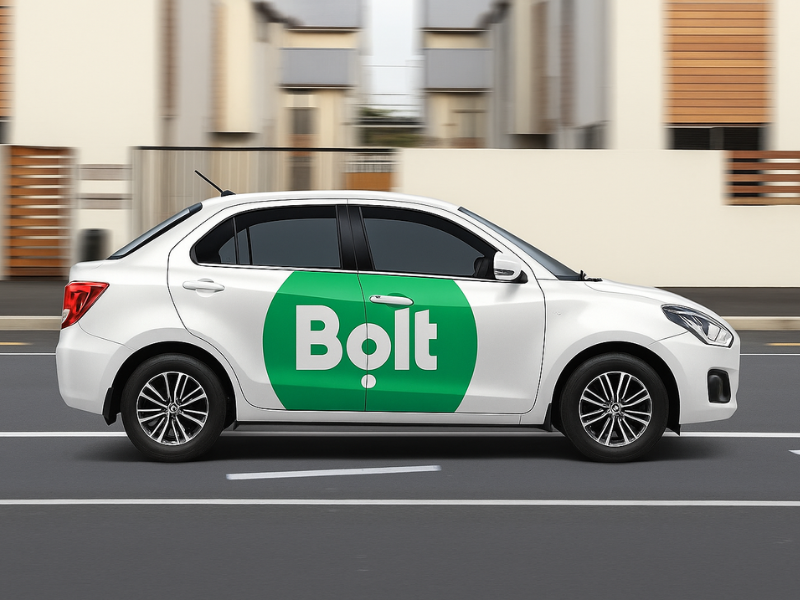
South Africa’s e-hailing industry is about to change in a big way.
The Department of Transport (DoT) has introduced new regulations, with one requiring all Uber, Bolt, and other e-hailing vehicles to be branded with company logos
The regulations came into effect on 12 September, following the DoT’s gazetting of the National Land Transport Amendment Act.
This amendment formally incorporates e-hailing services into the nation’s public transport network.
AMENDED NLTA USHERS IN e-HAILING SERVICE AS AN ADDITIONAL CHOICE OF TRANSPORT
— Department of Transport (@Dotransport) September 13, 2025
App companies are required to register and comply with company laws in South Africa under the Department of Trade, Industry and Competition (DTIC) and South African Revenue Services (SARS) pic.twitter.com/BKvaDWYCcw
The aim is to enhance passenger safety, improve service standards, and create clearer boundaries between e-hailing services and traditional taxis.
While the intention is good, the reality could be much more complicated.
ALSO READ: SA taxi chronicles: The most out of pocket things we've seen
What the new rules say
- Branding: All e-hailing vehicles must display visible company logos.
- Licencing: Drivers must obtain official operating licences from provincial regulators, replacing old permits.
- Safety Features: Cars must be fitted with panic buttons for rapid emergency response.
- Driver Vetting: Criminal background checks and valid professional driving permits are mandatory.
- Penalties: Non-compliance could mean fines up to R100,000 or even two years in prison.
The pros and cons
On one hand, branding makes it easier for passengers to identify legitimate Uber and Bolt cars.
This could reduce the risk of unregistered operators and fake drivers preying on unsuspecting commuters.
For many, that peace of mind is invaluable.
On the other hand, branding could also make e-hailing drivers easier targets. Violent clashes between taxi drivers and e-hailing operators are not new.
Earlier this year, the tragic death of 27-year-old Uber driver Siyanda Mvelase, who was shot and burned in his vehicle outside Maponya Mall, sparked protests and reignited concerns about the safety of drivers on South African roads.
With visible branding, these drivers may become more identifiable to those who see them as competition.
ALSO READ: Walmart is coming to South Africa: Game-changer or just a Makro makeover?
Is this a step forward, or a step back?
The regulations mark an important step towards formalising and regulating the e-hailing industry.
The Department of Transport believes these measures will protect both drivers and passengers while reducing tensions with traditional taxi services.
However the real test will come on the streets.
Will branding make passengers safer without putting drivers in greater danger?
Or will this attempt at order simply fuel more conflict in an already tense transport industry?

HOW TO LISTEN TO EAST COAST RADIO
1. Listen to East Coast Radio on the FM (frequency modulation) spectrum between 94 and 95 FM on your radio.
2. Listen live to ECR by clicking here or download the ECR App (iOS/Android).
3. Listen to East Coast Radio on the DStv audio bouquet
4. Switch to the audio bouquet on your OpenView decoder and browse to channel 606.
5. Listen to us on Amazon Alexa
Follow us on social media:
· TikTok