


Exclusive: Could Gauteng have a serial killer? Criminal Psychologist reveals what police need to find
Could there be a connection between the cases emerging across Gauteng? Criminal psychologist and former SAPS investigative psychology expert Dr Gerard Labuschagne explains what investigators should be looking for
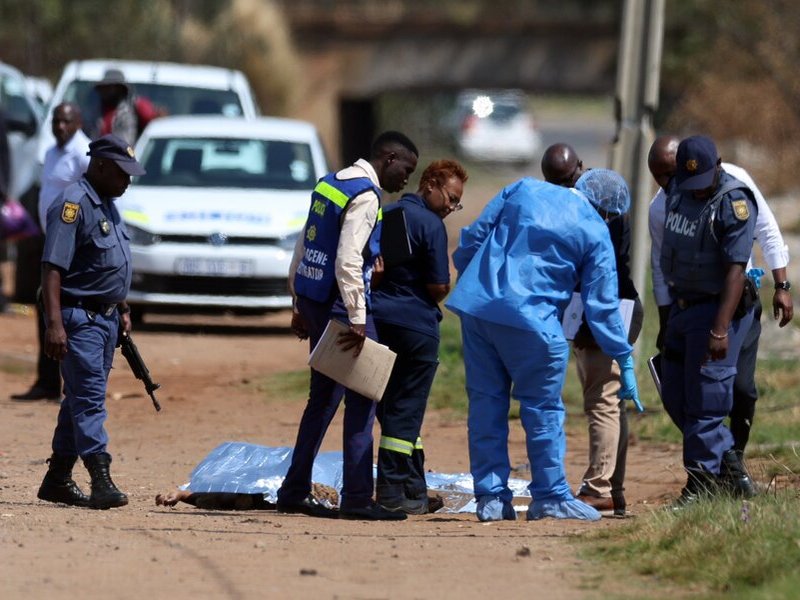
There have been recent discoveries of several bodies in Gauteng, raising suspicions about the presence of a serial killer.
Investigators are challenged with understanding the pattern and nature of these events, and Dr Gerard Labuschagne, a former head of the South African Police Service's Investigative Psychology Sectional Unit, provides his expert insights on the likely steps authorities should take in such scenarios.
While media coverage often piques public interest, Dr Labuschagne points out that their reports may lack accuracy.
Thus, the onus falls upon the police to manage the narrative based on the most reliable data. Although the media suggests the possibility of a serial murderer, it is essential for the authorities to quietly and systematically gather forensic evidence such as DNA or fingerprints to confirm these connections.
Understanding the pattern
A critical foundation in determining the work of a serial killer involves evaluating the crime scenes for similarities in victimology and geographical settings.
Dr Labuschagne stresses that serial offenders tend to operate within a confined area and target a specific type of victim, often corroborated by forensic evidence over time.
By responding as if it is a serial case, investigators safeguard these sensitive cases and ensure they are handled by dedicated and experienced teams.
Dr Labuschagne emphasises utilizing the knowledge from trained professionals, like Colonel Mike van Aardt, to enhance the investigative process.
It's crucial to centralise related cases into a specialised task team that can give these complex investigations the focused attention they need.
Unfortunately, political manoeuvring can sometimes hinder the process, such as placing generals, rather than experienced detectives, in charge of these task forces.
Necessary investigative steps
Dr Labuschagne outlines several critical actions for any effective serial murder investigation. Firstly, assembling a small, knowledgeable task force is imperative.
This group should have immediate access to forensic resources and operate with complete mobility.
Conducting thorough searches, including areas with potential unidentified bodies, and reviewing related dockets of robberies or assaults in a given vicinity, could hold keys to solving these crimes.
Continually expanding their search parameters and expediting forensic analysis will provide clearer insights. The success largely depends on strategically harnessing past experiences and existing expertise within the police service to piece together these complex puzzles.
The discussion with Dr Labuschagne reveals the intricate nature of tackling serial murders, underscoring the need for meticulous strategy and execution.
By leveraging the expertise of seasoned professionals and adhering strictly to established investigation protocols, law enforcement agencies stand a better chance of solving these cases efficiently.
