


Are ‘designer babies’ coming? Scientists make major gene-editing breakthrough
Could parents one day edit disease-causing genes before their children are born?
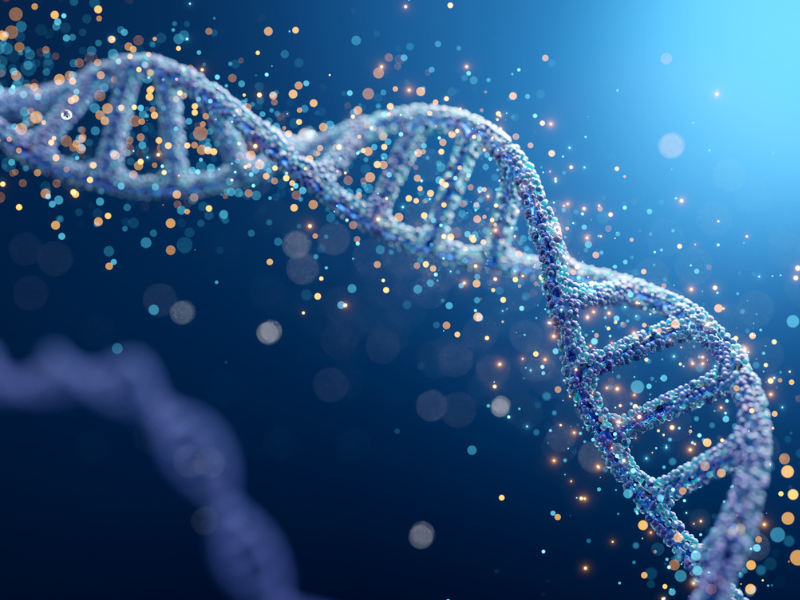
Imagine being able to remove a disease from your child before they’re even born.
It sounds like something straight out of a futuristic movie, but scientists may have just moved one step closer to making it possible.
Pretty soon, parents could design their own babies (aka designer babies).
What are designer babies?
Designer babies refer to children whose genetic traits may be selected or modified before birth using genetic technologies.
Scientists are one step closer to creating “designer babies” after they precisely edited human embryo genes for the first time, according to the New York Times.
— Collin Rugg (@CollinRugg) June 7, 2026
Dr. Dieter Egli at Columbia University was reportedly able to replace individual genetic letters in sequences of DNA.… pic.twitter.com/JalkWfrm8B
ALSO READ: LISTEN | Hantavirus? Virus 'Hanta" Prof. Tulio de Oliveira answers South Africa’s biggest questions
Researchers at Columbia University have successfully edited the DNA of human embryos with a level of precision never seen before.
Using a newer gene-editing technique called “base editing”, they were able to change individual genetic letters in DNA without causing the extensive damage often linked to older technologies like CRISPR.
What is CRISPR?
CRISPR (pronounced “crisper”) is a gene-editing technology that allows scientists to make precise changes to DNA.
Think of DNA as a massive book containing billions of letters.
If there’s a typo causing a disease, CRISPR acts like a pair of molecular scissors that can find the mistake, cut it out, and allow scientists to replace or repair it.
What is the difference between CRISPR and base editing?
CRISPR cuts DNA to make changes, while base editing changes individual DNA letters without making large cuts, potentially reducing damage.
The breakthrough could one day help doctors fix inherited genetic conditions before a baby is born.
Diseases caused by a single faulty gene could potentially be corrected at the earliest stages of life.
Although before anyone starts designing babies with perfect hair, super intelligence or elite sporting ability, scientists say there’s still a long road ahead.
The edits weren’t flawless. In some embryos, the gene-editing process worked perfectly.
In others, some cells were edited while others weren’t, creating what’s known as a “mosaic” embryo.
Scientists worry this could lead to health complications if such embryos were ever used in pregnancies.
“We’re not saying this is going to be used tomorrow in clinics,” said lead researcher Dr. Dieter Egli.
The research has reignited a debate that has been raging for years where supporters believe gene editing could help eliminate devastating inherited diseases.
Critics worry the technology could eventually be used to select desirable traits, raising concerns about ethics and the possibility of a modern form of eugenics.
ALSO READ: Man wakes up blue like an Avatar
For now, the study remains experimental and is still under review for publication in a scientific journal.
What it does show is that gene editing technology is advancing rapidly.
Whether it becomes a tool for preventing disease, enhancing human traits, or something in between is a conversation scientists say society needs to have sooner rather than later.

HOW TO LISTEN TO EAST COAST RADIO
1. Listen to East Coast Radio on the FM (frequency modulation) spectrum between 94 and 95 FM on your radio.
2. Listen live to ECR by clicking here or download the ECR App (iOS/Android).
3. Listen to East Coast Radio on the DStv audio bouquet
4. Switch to the audio bouquet on your OpenView decoder and browse to channel 606.
5. Listen to us on Amazon Alexa
Follow us on social media:
· TikTok