


Breast Cancer survivor Ningi Sangweni turns pain into purpose
Ningi Sangweni chatted to us about her journey with breast cancer and how she turned her pain into purpose.
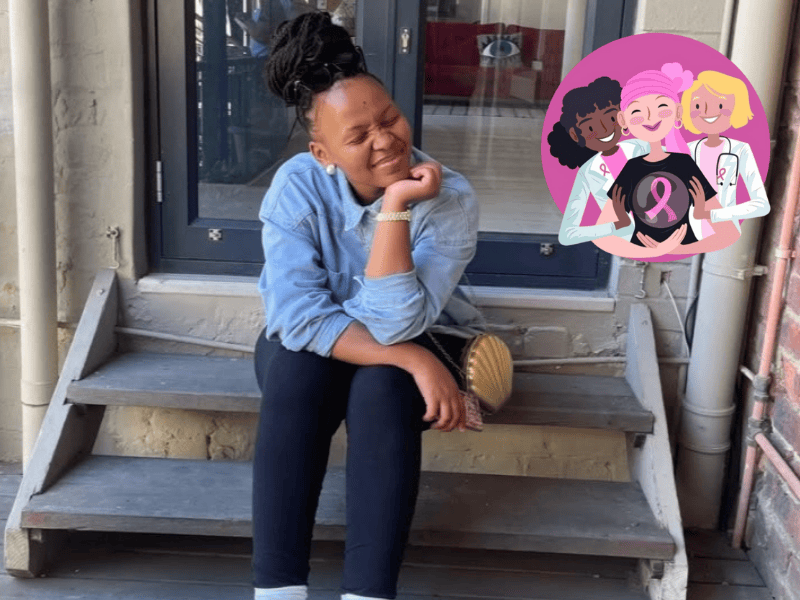
Ningi Sangweni, a breast cancer survivor, entrepreneur and attorney, shares her inspiring journey this breast cancer awareness month.
On 22 June 2022, at just 34-years-old, Sangweni was diagnosed with stage 2 breast cancer.
She underwent chemotherapy, a bilateral mastectomy, and radiation therapy and is proud to call herself a survivor. However, like most people who undergo life-changing experiences, she chose to transform her pain into something purposeful.
In addition to running two businesses, Sangweni launched an initiative that provide meals for cancer patients undergoing lengthy chemotherapy sessions.
There were moments I wanted to give up — but the unwavering support of my loved ones carried me through.
Read more: Vera Nagtegaal bringing heart and insight into leadership
When asked what motivated her to launch a feeding initiative, she explained that chemotherapy days at government hospitals were long. Her days would start around 6:30 am and sometimes only finish around 3:30 pm.
She was fortunate enough to continue working during her chemotherapy, allowing her to pack food for her long days. However, she noticed that not everyone had that privilege.
"Hospital canteen food can get expensive, and unhealthy snacks and energy drinks won't get you through. So, I started bringing a little extra food with me - another bottle of water, more fruit, two more sandwiches. When I took out my food to eat, I would offer it to the person next to me. We were raised on Ubuntu. You don't eat without sharing. Conversations were struck over the exchange of food. I heard other people's stories for the first time. Old people, young people, fragile people, even couples, would come from as far as Limpopo and Mpumalanga for their treatments, up to eight hours on the road. The hospital provided buses, but it did not provide food," she says.
It was this that motivated her to find a way to help people.
I started making provisions in my budget. I asked friends and family for support. I managed to rope in my employer, and we were able to sell pink ribbons for breast cancer awareness. It made a difference, but more needed to be done. I reached out to cancer survivors, making a difference and established foundations for guidance. Through them, I learnt the power that comes with unity and support. How to set up a fun run, host a pink high-tea, and hold a raffle.
Sangweni didn't stop there. She also started a WhatsApp Breast Cancer support group, and it was here that she was able to build connections with patients and survivors. Not only did this help people feel less alone, but it also helped her connect with others willing to lend a hand.
What's the one thing that got you through your treatment?
"Two weeks before being diagnosed with breast cancer, I swiped right on a dating profile. He had swiped right too (so) we matched. I told him that I might have breast cancer. He said he wasn't going anywhere. He's kept his promise through every chemotherapy session after effects. Through every bucket of suspicious fluids, he cleaned out. Through every garage midnight dash when I was dying of thirst and needed very specific rainbow-coloured ice lollies. He would snitch on me to my family when I refused to go to chemotherapy, as the panic attacks were overwhelming me.
"He held my hand through the train as I went back home after the bilateral mastectomy. Even on the bad days, when we'd just had a disagreement and weren't talking. He would faithfully walk 7km to and from the hospital for radiation therapy in silence. He is the true definition of 'through sickness and health'. All those wonderful things that the Bible says about love...he fulfils. Patient, kind. He kept me alive, and I am so grateful because I could not have done it on my own," says Sangweni.
Read more: Breast cancer on the rise among younger South Africans
A message to breast cancer fighters from a breast cancer survivor
"When you're tired, learn to rest. Don't quit," she says.
"I got tired—many, many times. I didn't know it was part of the process. I thought I was the problem. What really helped me was speaking to fellow patients and cancer survivors. People who had been through it and could share their stories. It is so important not to isolate yourself and suffer in silence. Reach out, speak to people. Beyond all the information you will find on the internet. You need real-life guidance. Be very shameless in asking for help, support, and kind words. Through sharing my story, I learnt that everyone knows someone who survived - an aunt, a sister-in-law, a friend or a father.
Don't ever be afraid. The world still has so much love to give you," says Sangweni.
Many women don't get screened out of fear and lack of education.
What resources are available for women in these brackets?
"The government, through the Department of Health, provides free cancer screenings through public hospitals, community health clinics and mobile health units. These screenings fall under the National Cancer Prevention and Control Policy, which aims to reduce cancer-related deaths by promoting early detection and treatment.
"High-risk groups are prioritised for the free screenings. If you are not considered high-risk, you may still access screenings at public hospitals, but a small fee may be charged based on the government hospital’s means test," Sangweni explains.
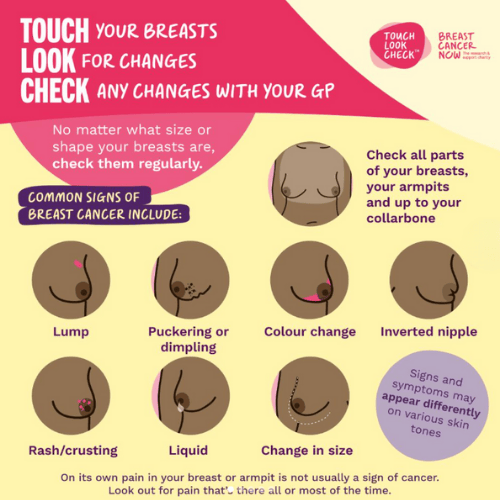
As Breast Cancer Awareness month draws to a close, we know the fight is ongoing, so we asked:
What can people do to help the fight against cancer?
- Stay informed and consult with healthcare practitioners.
- You may reduce your risk of being diagnosed by taking care of yourself.
- Exercise regularly.
- Maintain a healthy weight.
- Avoid tobacco and limit alcohol.
- Stick to a healthy diet.
- Make sure that you attend regular screenings so that any concerns can be detected, investigated and screened early.
How can I help?
If you would like to help with her feeding initiative, you can contact Ningi Sangweni on Instagram at ningi_sang.

HOW TO LISTEN TO EAST COAST RADIO
- Listen to East Coast Radio on the FM (frequency modulation) spectrum between 94 and 95 FM on your radio.
- Listen live to ECR by clicking here or download the ECR App (iOS/Android).
- Listen to East Coast Radio on the DStv audio bouquet, channel 836.
- Switch to the audio bouquet on your Openview decoder and browse to channel 606
- Listen to us on Amazon Alexa.
Follow us on social media:
Image Supplied