


Fuel price changes: Rising diesel costs spark inflation concerns
Economist John Loos says tensions involving Iran and the Strait of Hormuz continue to threaten global oil supplies, placing pressure on diesel costs.
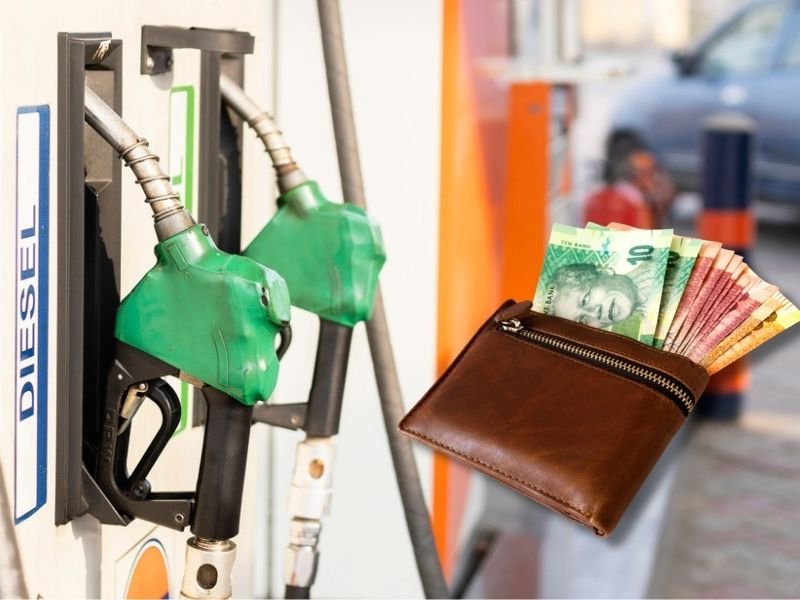
While many motorists have welcomed the incoming drop in petrol prices, an economist has warned the expected increase in diesel could have wider economic consequences.
Petrol will decrease by 52 cents a litre from Wednesday.
Diesel will increase by between R1.23 and R1.38 a litre.
Middle East tensions
Independent economist John Loos says ongoing tensions in the Middle East are keeping pressure on global fuel markets, with knock-on effects for inflation, food prices and interest rates.
Loos says the latest fuel price adjustments are being driven more by the US-Iran conflict and the instability around the strategically important Strait of Hormuz.
“Realistically, we are probably going to have a few false starts with regards to negotiations and peace deals around the Strait of Hormuz. It's going to come and go as the two sides play games with each other a bit. But I do believe that when we get nearer to the US midterm elections, or as we get nearer to the midterm elections, I do think that the United States is strongly motivated to get itself out of this conflict and to come to a peace deal.”
Strait of Hormuz
The shipping route carries around a fifth of the world's oil supply, making diesel particularly vulnerable to supply disruptions.
Loos warns higher diesel prices could push up transport and agricultural costs, placing food prices under pressure.
“It's a lot more complicated to predict what the outcome will be on food prices, oil prices, diesel prices on the one hand and fertiliser prices on the one hand versus weather patterns on the other hand. So that's a tougher one to predict with all those variables included. But nevertheless, for as long as the Iranian conflict goes on, and as long as the Strait of Hormuz is partly or fully closed, agriculture and food prices in South Africa remain at risk.”

Find us on social media
Follow the ECR Newswatch WhatsApp channel here
We are also on Facebook and X (formerly Twitter)