


Ramaphosa unveils four-point GBVF battle plan
President Cyril Ramaphosa has announced a series of immediate measures aimed at strengthening South Africa’s response to gender-based violence and femicide.
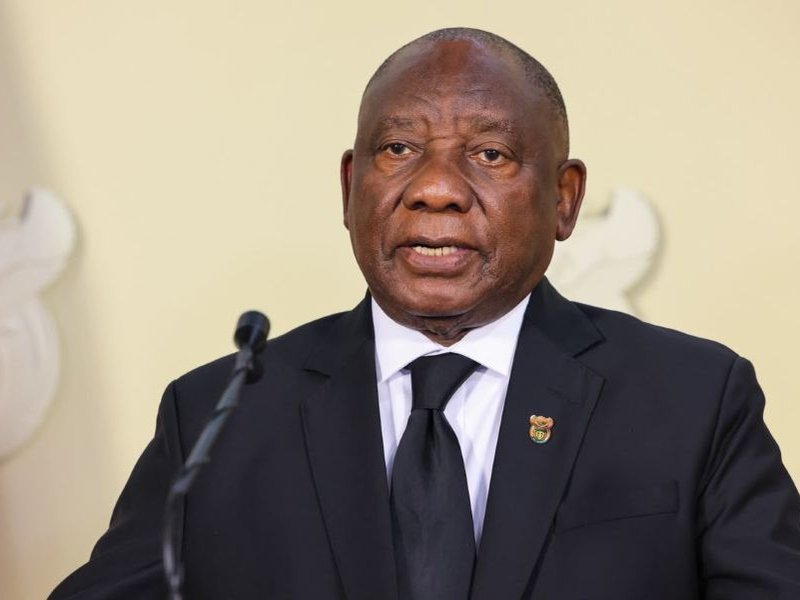
President Cyril Ramaphosa has announced a set of immediate government measures aimed at strengthening the fight against gender-based violence and femicide (GBVF) in South Africa.
The announcement comes amid growing concern over the number of women whose bodies have been discovered across Ekurhuleni since July. At least 12 bodies have been found across the metro.
Police are investigating the cases, but have cautioned that no connection between all the killings has been established.
In a televised address on Tuesday, Ramaphosa announced four measures that focus on unresolved criminal cases, forensic backlogs, public safety and alcohol-related violence.
National review of unresolved GBVF cases
The first measure is a national case-recovery operation targeting unresolved murders, attempted murders, rapes and serious sexual offences involving women and children.
Ramaphosa has instructed the Ministers of Police and Justice and Constitutional Development to work with the South African Police Service (SAPS) and the National Prosecuting Authority (NPA) to establish how many cases remain unresolved and why they have stalled.
Within 60 days, the audit is expected to identify the number and age of outstanding cases, cases awaiting forensic evidence, suspects who have been identified but not arrested, and investigations or prosecutions that have experienced unreasonable delays.
The President said priority cases must then have individual recovery plans within 90 days, identifying what still needs to be done, who is responsible and when the outstanding action must be completed.
Tackling forensic backlogs
The second measure focuses on forensic evidence, which can be critical to the investigation and prosecution of GBVF cases.
Ramaphosa has directed the Police Ministry, the National Commissioner of Police and relevant forensic authorities to produce a funded plan within 60 days to reduce forensic backlogs.
The plan must establish the size and age of the backlog, identify shortages of personnel and equipment, outline the resources required and set deadlines for reducing outstanding work.
Cases involving the rape or murder of women and children are to be prioritised for urgent processing, with progress against turnaround standards reported publicly every quarter.
Municipalities told to identify unsafe areas
The third measure shifts attention to the environments in which women live and travel.
Ramaphosa has instructed every municipality to conduct a women's safety audit, working with provincial governments and the police to identify high-risk locations.
Within 60 days, the audits must identify hazards such as broken streetlights, abandoned buildings, overgrown public spaces, unsafe transport routes, poorly secured parks and other areas where women may be vulnerable.
The President specifically referred to cemeteries after one of the women was found there.
The most urgent hazards must either be addressed within 90 days of the audit or included in a funded implementation plan with clear deadlines. Government also intends to publish the audit results and progress so communities can track what has been identified, fixed or left outstanding.
Addressing alcohol-related violence
The fourth measure deals with harmful alcohol use and enforcement of liquor laws.
Ramaphosa has directed the Minister of Trade, Industry and Competition, together with the Ministers of Health, Social Development, Police and Cooperative Governance, to develop a coordinated legislative and enforcement package for Cabinet within 60 days.
He said responsibility remains with the perpetrator, while adding that harmful alcohol use can aggravate interpersonal violence and therefore needs to form part of the broader prevention response.
The measures also include stronger enforcement of existing liquor laws and municipal by-laws, particularly against unlicensed outlets and establishments operating outside their permitted trading hours.
President Ramaphosa’s measures are aimed at addressing some of the gaps that can allow cases to remain unresolved and risks to persist in communities.
Find us on social media
Follow the ECR Newswatch WhatsApp channel here
We are also on Facebook and X (formerly Twitter)
