


PHOTOS: 10 facts about Homo Naledi
Today, a rare find of a new species of human ancestor was announced at Wits University. See photos and interesting facts about the Homo naledi here.
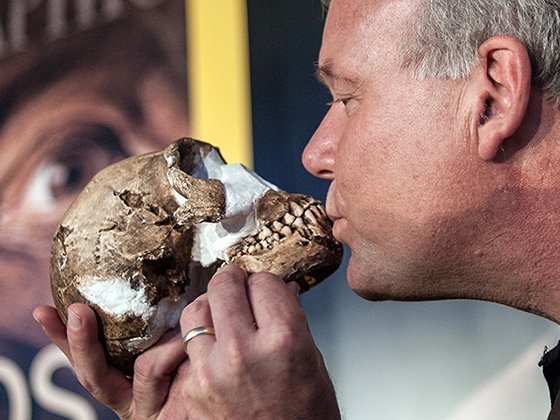
A 50 to 60-member team led by National Geographic researcher and Wits' Professor Lee Berger was credited for discovering 1, 550 fossil elements at the Cradle of Humankind near Maropeng, outside Johannesburg.
The discovery that was made in 2013 also involved paleontologists from the Department of Science and Technology (DST) and the National Research Foundation of South Africa (NRF).
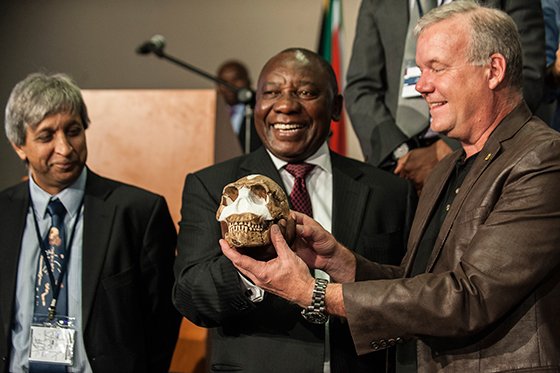
Speaking at the event, Deputy President Cyril Ramaphosa said the moment marked one which "the world learnt something new and remarkable."
He has also added that the discovery is indicative of a common ancestry among human beings despite differences in language, beliefs and appearance.
The relics - which are said to be the largest hominin discovery in the continent - are yet to be dated.
See photos from today's media briefing held at Wits University.
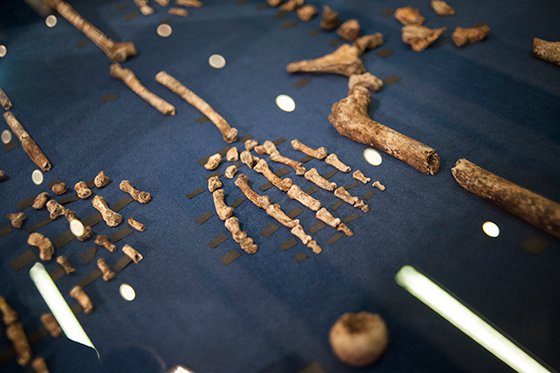
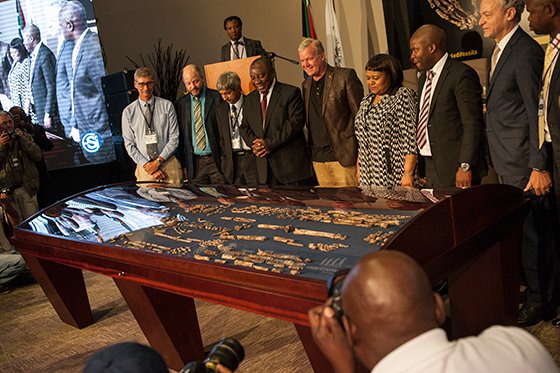
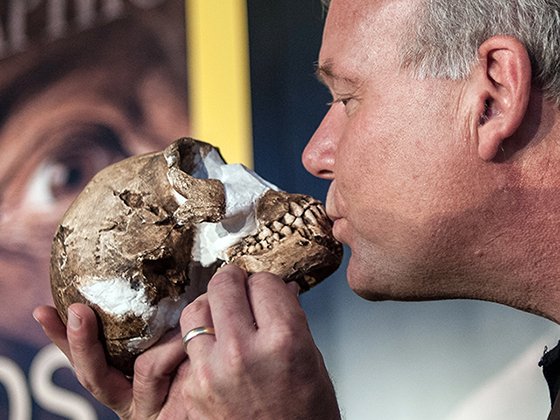
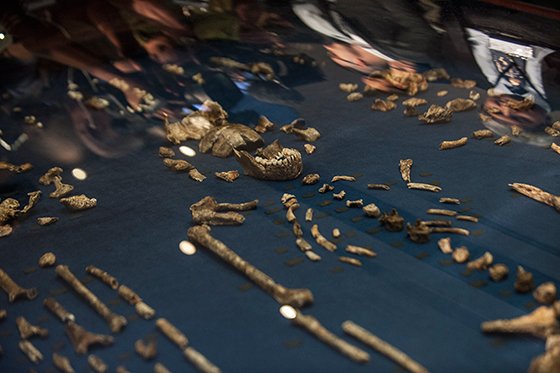
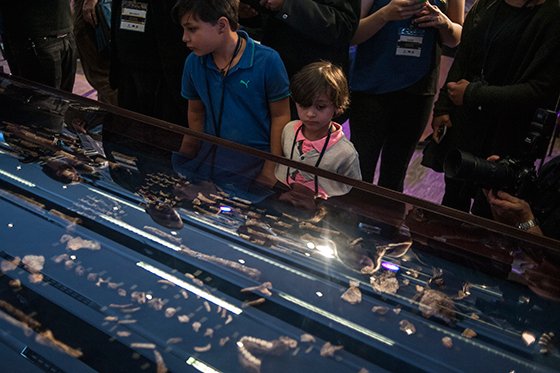
Here are some interesting facts about Homo naledi:
1. H. naledi was named after the Rising Star cave - "naledi" means "star" in Sesotho. The bones were found in a chamber of the cave named Dinaledi, accessible only through a narrow chute, about 90 metres from the cave entrance.
2. Homo naledi looks like one of the most primitive members of our genus, but also has some surprisingly human-like features.
3. Homo naledi had a tiny brain, about the size of an orange, and a slender body, was about 1.5 metres tall and weighed about 45 kilograms.
4. The teeth are similar to the earliest-known members of our genus, such Homo habilis, but the shoulders are more similar to those of apes.
5. The hands suggest tool-using capabilities, with extremely curved fingers, more curved than almost any other species of early hominin, which demonstrates climbing capabilities.
6. The feet are "virtually indistinguishable" from modern humans. Its feet and long legs suggest the species was well-suited for long-distance walking.
7. The fact that the fossils were found in a room deep underground, practically alone, in the absence of any other major fossil animals, suggests the possibility of a form of ritualised behaviour previously thought to be unique to humans. It seems like the bodies were carried into the chamber, suggesting an understanding of death.
8. More than 1 550 fossil elements were recovered, consisting of infants, children, adults and elderly individuals.
9. More than 60 cavers and scientists worked together to recover the bones through the 18-centimetre-wide cave opening.
10. There are potentially hundreds, if not thousands, of remains of Homo naledi still in the chamber.
(Photos: AFP)