


KZN’s first hooded vulture nest discovered near Phongola
Conservationists have made a discovery in Zululand, and they hope it will help the species soar to new heights.
They have confirmed KZN’s first recorded Hooded Vulture nest.
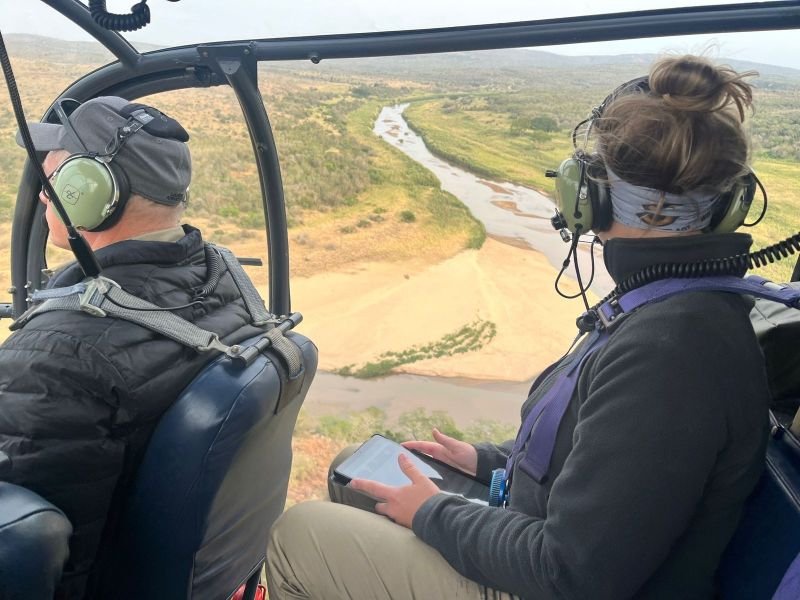
It was found during the 2025 Zululand Vulture Survey, led by Wildlife ACT, Ezemvelo KZN Wildlife and volunteer pilots from The Bateleurs.
Bateleurs Director and pilot Don Bailey says the aerial mission helped track breeding patterns of several endangered species across northern KZN.
He says the August survey involved five days of helicopter flying with four observers on board, covering areas south of Empangeni to Phongola.
He says they used GPS flight paths first mapped five years ago to monitor changes in vulture nesting activity.
Bailey says the rediscovery of the Hooded Vulture nest near Phongola has renewed hope for the species.
ALSO READ: World-renowned chimpanzee expert Jane Goodall dies at 91
“They haven't been able to find a nest for over five years. So, it was with much excitement, and you know, when you're on the ground, even when up high, it's quite hard to define what vulture is what. So, to be in the air looking down and see a hooded vulture that is now nested again back in Natal, that hasn't been seen for five years, is great excitement.
Some vulture species have been hit hard by poisoning, habitat loss and traditional medicine use.
Bailey says while colonies of Lappet-faced and African White-backed Vultures are growing, White-headed Vultures continue to decline.
“ These animals are depleting in numbers, and it's a great concern, and the concern is [it's not]… it is all human. You know the reality, we put fences up and we can't let animals roam freely. So, for instance, we have elephants, decimating large areas of trees, and often those have vultures nested that they come back to, and then they don't nest again.
“You've got poisoning, you've got poaching. So many factors come in. And then just general destruction of habitat.”
Find us on social media
Follow the ECR Newswatch WhatsApp channel here
We are also on Facebook and X (formerly Twitter)
MORE ON ECR:
