


IEC warns of social media disinformation ahead of 2026 local govt elections
The IEC has raised concerns over election misinformation as South Africa prepares for the 2026 local government polls.
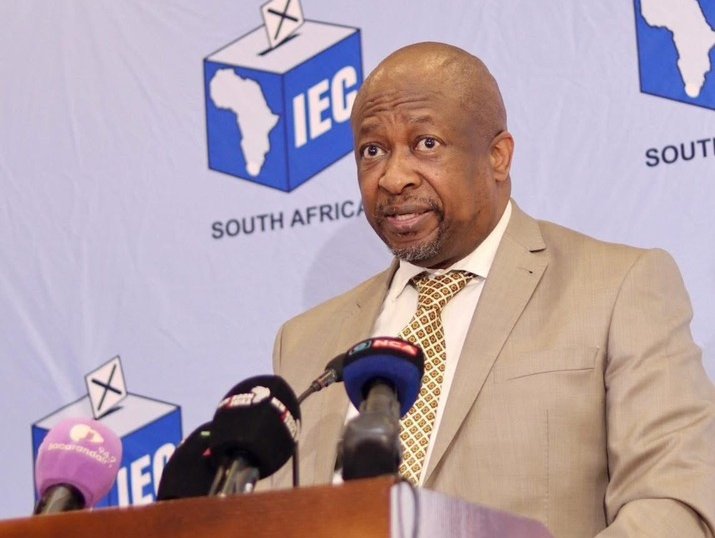
The Electoral Commission of South Africa has raised concerns over the growing spread of social media disinformation ahead of the 2026 local government elections.
The commission officially launched its 2026 electoral programme in Midrand on Wednesday, paving the way for the voter registration weekend scheduled for 20 and 21 June.
The launch comes as political parties begin unveiling mayoral candidates to spearhead campaigns in key metros, including Johannesburg, Ekurhuleni, and Tshwane, where fierce political contestation is expected ahead of the polls.
Last month, President Cyril Ramaphosa officially proclaimed 4 November 2026 as the date for the country’s upcoming local government elections.
IEC Chief Electoral Officer Sy Mamabolo warned that the increased use of social media platforms presents a growing threat to information integrity during the electoral process.
“Social media is prone to manipulation and the distortion of information, which could undermine information integrity. Information integrity is an indispensable component of a credible electoral process,” said Mamabolo.
He said the commission had previously worked with civil society organisations to flag and report disinformation through the Real411 platform and was now intensifying efforts to counter misinformation ahead of the elections.
ALSO READ: Police nab two suspects linked to kidnapping cases in Pinetown
Mamabolo announced that the IEC would soon publish a draft code of conduct on misinformation for public comment.
“The draft code will seek to embed specific protection against fraudulent and manipulated content with a view to preserving information integrity in the elections,” he said.
The commission also unveiled several innovations aimed at improving voter participation and strengthening the credibility of the elections.
Mamabolo said the IEC’s online voter registration portal had significantly improved the accuracy and stability of the voters’ roll through real-time updates.
According to the commission, the portal recorded 376,000 new voter registrations between January and May this year, with young South Africans accounting for the majority of new users.
The total number of registered voters now stood at 27.9 million, exceeding the number recorded during the 2024 general elections despite an average monthly loss of 34,000 voters due to mortality.
Mamabolo said the online system allowed voters to register remotely using either their South African ID book or smart ID card.
The IEC also introduced a youth-focused voter mobilisation programme as part of efforts to encourage greater participation among young voters ahead of the elections.
Find us on social media
Follow the ECR Newswatch WhatsApp channel here
We are also on Facebook and X (formerly Twitter)
MORE ON ECR:
