


Closing illegal liquor outlets not enough, says KZN regulator
More than 200 unlicensed liquor outlets were shut down in KwaZulu-Natal during recent Shanela operations, while the regulator estimates about 20 000 unlicensed traders operate in the province.
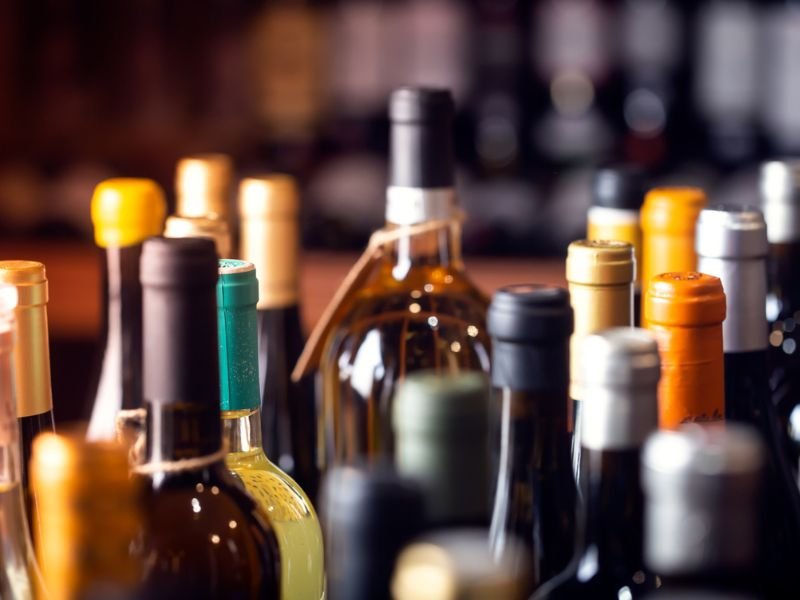
The KZN Economic Regulator says the closure of unlicensed liquor outlets must be accompanied by efforts to disrupt the supply of illicit alcohol.
During the police’s Shanela operations, law enforcement teams shut down more than 360 illegal liquor outlets in South Africa between last Monday and Sunday.
More than 200 of them were in KwaZulu-Natal.
They also carried out over 5 000 compliance inspections at licensed establishments.
Addressing the nation on Tuesday night, President Cyril Ramaphosa identified alcohol as a significant aggravating factor in interpersonal violence and called for a clampdown on liquor outlets.
Unfair advantage
The KZN Economic Regulator says unlicensed traders have an unfair advantage over legitimate businesses because they don’t pay licence fees or taxes.
COO Bheki Mbanjwa says according to the regulator’s estimates, there are about 20 000 unlicensed liquor traders in KZN, compared to roughly 8 000 licensed outlets.
“The enforcement of the legislation is done, but I think it can be improved. We are working with the various stakeholders trying to strengthen the strategy [and] also focusing on sources, because if you just deal with the problem at the tail end, it may not be effective.
“But if you try to deal with those that are manufacturing illicit alcohol [you] try to cut the supply to those that are not licensed.”
ALSO READ: KZN parties renew pledge for peaceful local govt elections
Avoid illegal sellers
He says members of the public should avoid supporting businesses that do not comply with liquor laws.
“[There is a need to] also educate the public about the danger of buying from unlicensed traders because it is the same places where you find illicit alcohol being sold, alcohol that has not been tested and approved by the relevant authorities. That does pose healthy risks.”
Illegal alcohol
Earlier this year, officials discovered that a shipment of 26 000 litres of ethanol, with an alcohol content of approximately 96%, had been diverted to a warehouse in Kempton Park.
The consignment had originally been declared as “in-transit,” meaning it was intended for export to another African country and should not have entered the domestic market.
According to SARS, the shipment was one of four similar consignments and had been unlawfully offloaded into 1 000-litre containers at an unlicensed and unregistered facility.
Investigators also uncovered additional storage tanks and flow bins on site, suspected to contain a further 28 000 litres of ethanol. These contents are still undergoing testing.
The seized ethanol carries significant tax implications.
On the legal market, such alcohol attracts a duty rate of approximately R302.84 per litre, meaning the state stood to lose an estimated R9.1 million in duties and taxes from just one consignment.
Find us on social media
Follow the ECR Newswatch WhatsApp channel here
We are also on Facebook and X (formerly Twitter)
