


Black rhino population boosted as 20 animals relocated from KZN
Conservationists hope the translocation will help expand the black rhino’s range and potentially double the population, while providing a secure habitat for breeding.
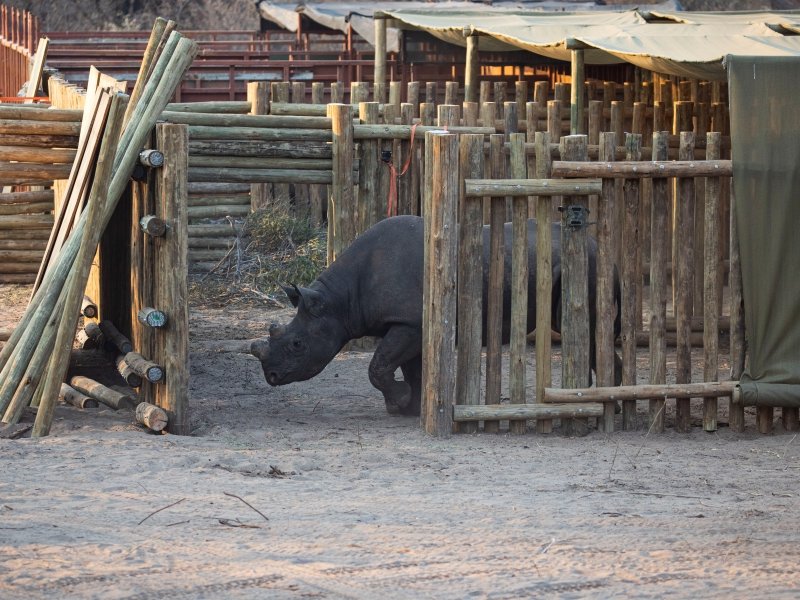
Twenty black rhinos were moved from KwaZulu-Natal to Botswana this month in a translocation that aims to establish a new breeding population in a secure habitat.
Experts say the move will help expand the critically endangered species’ range - hopefully to double the population - and support its recovery.
Project lead Jeff Cooke says the dehorning, along with improved surveillance technology and stronger cooperation with police, has helped reduce poaching incursions.
But on this World Rhino Day, he warns that dehorning is not a sustainable long-term solution.
“Got to allow these rhinos to keep breeding them from extinction, and the only way to do that is to give them the space and the resources that they need to breed.
“And so our project looks for sites that are clear enough, have the right management capacities in place to allow us to reintroduce a population, and hopefully over time that population breeds.”
Cooke says the black rhinos are now settling into a remote and secure site in Botswana that covers more than 40-thousand hectares.
New populations
Cooke says finding large enough areas with suitable habitat for black rhinos is becoming increasingly difficult in South Africa.
ALSO READ: KZN leaders discuss election safety amid political killings
He says creating new populations is critical to ensuring the species does not become extinct.
“I think it would be a sad day if we had to show our future generations, our children, rhinos in books as opposed to being able to show them animals in a free-ranging wild environment.
“So we've got an opportunity now. We haven't lost them. You know, we still have an opportunity to save rhinos, and I think we've all got to put our best foot forward in doing that.
“They have a right to exist, as do all species on the planet. I think just given their size and their iconic status and the impact that they have on the environment around them in which they live is reason enough.”
Find us on social media
Follow the ECR Newswatch WhatsApp channel here
We are also on Facebook and X (formerly Twitter)
