


American tourist dies after getting into difficulty at St Lucia beach
A 69-year-old American tourist has died after encountering difficulty in the water at Main Beach in St Lucia. The National Sea Rescue Institute responded, with rescuers assisting a local tour guide who had attempted to bring the man to shore.
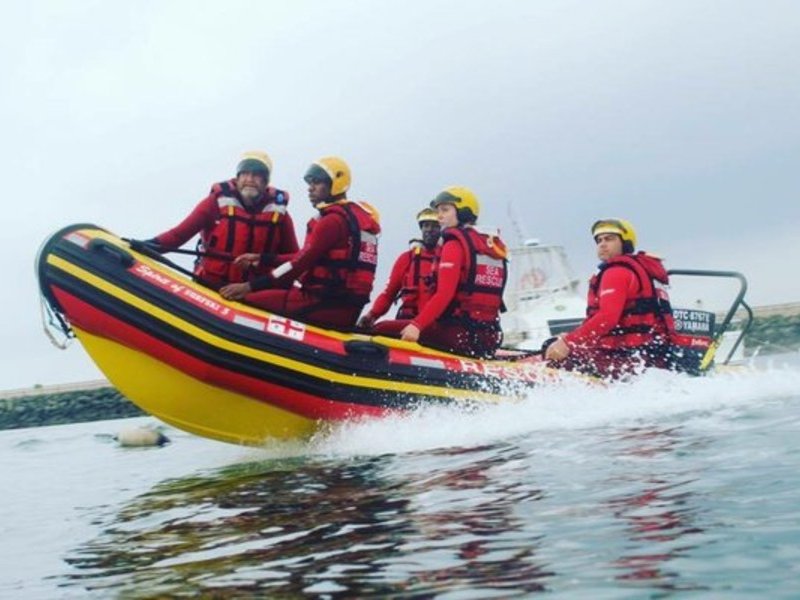
An American tourist has died after getting into difficulty in the waters of St Lucia in the north coast.
The National Sea Rescue Institute says the 69-year-old man was visiting Main Beach with a group of tourists on Friday.
The NSRI says it arrived to find the group's local tour guide attempting to save the man using a rescue buoy and a surfboard to paddle towards the shoreline.
Spokesperson, Craig Lambinon says two rescuers entered the water to assist.
“On the beach NSRI medics and paramedics medically assessed the man but sadly he was declared deceased by paramedics.
Police attended at the scene where the body of the man was taken into the care of Police and Government Health Forensic Pathology Services.
READ: Fuel price surge raises concerns for sea rescue operations
It appears that while an American tourist group were visiting the beach a group of the tourists were taking a swim and they had reportedly ducked under an incoming wave. Police have opened an Inquest docket.”
Meanwhile, the National Sea Rescue Institute has raised concerns about the growing financial pressure facing its operations, warning that while emergency responses will remain uninterrupted, rising fuel costs are expected to strain key areas such as crew training, rescue readiness and community safety programmes.
The organisation says fuel underpins nearly every aspect of its work - from powering rescue vessels and vehicles to supporting training exercises and water safety initiatives in vulnerable communities.
NSRI CEO Mike Vonk says the impact of rising fuel prices goes beyond immediate rescue missions.
“We will never stop responding to emergencies, but if fuel costs rise this sharply, the pressure moves into the systems that keep our crews ready and our prevention work active, helping to save lives before emergencies happen.”
The NSRI currently spends more than R5.5 million annually on boat running costs alone, with projections indicating that further fuel price increases could significantly increase operational expenses.
Find us on social media
Follow the ECR Newswatch WhatsApp channel here
We are also on Facebook and X (formerly Twitter)
