


Matric exams: Dietitian shares top foods to boost memory and focus
Dietitian Dr Sylven Masoga shares the foods that can help support brain function, memory and focus.
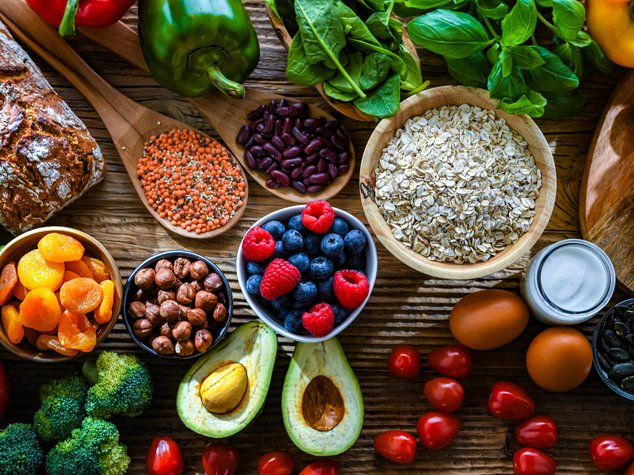
Food plays a vital role in the functioning of our bodies. There are certain foods that are also known to help with focus and memory.
Dietitian Dr Sylven Masoga says that during study periods or when preparing for exams, the brain is highly engaged.
“As a result, it must be supported through good nutrition for it to be able to keep up with the demands at that time," says Masoga.
He adds that macronutrients, micronutrients, energy and fluids are all important for maintaining optimal brain function.
Which foods should learners focus on?
Dr Masoga says it is important for learners to eat foods that contain carbohydrates because it's an excellent source of energy for the brain.
“When you study, you need to process information quickly, store information and apply critical thinking. These processes require a significant amount of energy. Carbohydrate-containing foods such as bread, macaroni and porridge supply the brain with the energy it needs to function during reading and studying. The brain can consume more than 20% of the energy supplied to the body, so it is important to include carbohydrates in your diet," says Masoga.
The second type of food learners need is protein. Dr Masoga says foods such as fish provide protein and amino acids that are important for brain function, as well as omega-3 fatty acids.
He explains that these fatty acids help build brain cells and support memory. Another benefit of eating foods containing omega-3 fatty acids is that they help reduce inflammation in the body.
“When an individual is studying or preparing for an exam, the body may experience metabolic stress. Omega-3 fatty acids can help regulate inflammation and protect cells, including brain cells, from damage that could affect memory and cognitive function," he says.
Other foods Dr Masoga recommends include eggs, which contain lutein and zeaxanthin. He also recommends foods such as avocados, olives and olive oil, which contain monounsaturated fatty acids. These healthy fats have protective properties and can help support brain function.
Masoga recommends opting for lean meat cuts, which contain less saturated fat.
“Excessive intake of saturated fats may contribute to inflammation, which can negatively affect blood vessels and overall health,” he explains.
Fruit and vegetables are important
Masoga also encourages eating fruit and vegetables because they provide essential vitamins and minerals.
“Individuals should also eat fruit and vegetables because they provide essential vitamins and minerals. Vitamins A, C and E have antioxidant properties. Antioxidants help protect the body against oxidative stress, which can damage blood vessels and cells, including brain cells," he adds.
He also highlights the importance of minerals such as zinc and selenium, which play a role in the body’s antioxidant defence systems.
When it comes to snacks, Dr Masoga says options such as nuts and seeds are beneficial because they provide nutrients, including healthy fats and vitamin E, that support the body’s defences against oxidative stress.
Do not forget to drink water
While healthy eating is important, Dr Masoga says learners should not forget to drink enough fluids.
“Adequate fluid intake is equally important. Individuals should consult a registered dietitian to determine their nutritional needs and appropriate fluid intake, as these requirements vary from person to person depending on factors such as body weight and individual circumstances,” he explains.
Lastly, Dr Masoga says eating smaller, frequent meals may also be helpful.
“The types of food you choose should support brain function and provide the nutrients your body needs while maintaining overall health,” he says.
He also encourages learners to exercise, as physical activity is an important part of maintaining overall health and wellbeing during the exam period.
HOW TO LISTEN TO EAST COAST RADIO
1. Listen to East Coast Radio on the FM (frequency modulation) spectrum between 94 and 95 FM on your radio.
2. Listen live to ECR by clicking here or download the ECR App (iOS/Android).
3. Listen to East Coast Radio on the DStv audio bouquet
4. Switch to the audio bouquet on your OpenView decoder and browse to channel 606.
5. Listen to us on Amazon Alexa
Follow us on social media:
· TikTok