


Breast Cancer Awareness: 11 risk factors to look out for
Breast cancer is the most common cancer affecting women in South Africa. Here is how you can detect it early.
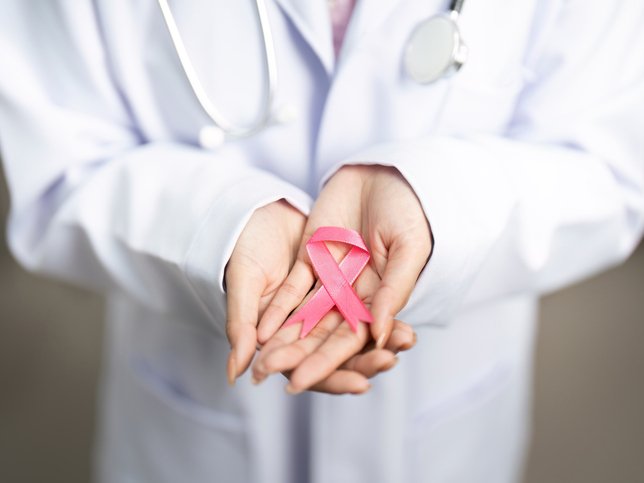
In South Africa, roughly 19.4 million women aged 15 and older are at risk of receiving a breast cancer diagnosis, according to the Cancer Association of South Africa (CANSA).
The organisation also reports that breast cancer affects more women in their 30s and late 20s, unlike previous generations, when it was more common in women 50 years and older.
One of the ways to detect breast cancer early is by understanding the risk factors associated and knowing how to self-examine.
Breast cancer self-examination
The National Breast Cancer Foundation, encourages adult women of all ages to perform breast self-examinations at least once a month.
The foundation offers the following guidelines:
In the shower: With the pads/flats of your three middle fingers, check the entire breast and armpit area, pressing down with light, medium, and firm pressure. Check both breasts each month, feeling for any new lumps, thickenings, hardened knots, or any other breast changes.
In front of a mirror: With your arms at your sides, visually inspect your breasts, looking for any changes in the contour or shape of the breasts, any dimpling, swelling, or other skin irregularities on or around the breasts, or any changes in the nipples.
Next, rest your palms on your hips and press firmly to flex your chest muscles. Look for any dimpling, puckering, or other changes, particularly on one side. Note that the left and right breasts will not exactly match—few women’s breasts are perfectly symmetrical.
Lying down: When lying down, the breast tissue spreads out evenly along the chest wall. Place a pillow under your right shoulder and put your right arm behind your head. Using your left hand, move the pads of your three middle fingers around your right breast, covering the entire breast area and armpit.
Use light, medium, and firm pressure to feel for any new lumps, thickenings, hardened knots, or any other breast changes. Also squeeze the nipple to check for discharge. Repeat these steps for your left breast.
If you notice any new lumps, thickenings or other breast changes, consult a healthcare professional or visit your nearest clinic. Early detection can improve treatment outcomes.
The video below demonstrates how to perform a breast self-examination at home.
11 breast cancer risks to be aware of
Below are risk factors of breast cancer:
Age
The risk of breast cancer increases as women get older, particularly after the age of 40.
Family history
Having a mother, sister or daughter who has had breast cancer can increase your risk, especially if they were diagnosed at a younger age.
Genetic mutations
Changes in genes such as BRCA1 and BRCA2 can significantly increase the risk of developing breast cancer.
Hormonal factors
Early menstruation before the age of 12, late menopause after 55, having a first pregnancy after 30, or having fewer children may influence breast cancer risk.
Excess weight
Being overweight or obese, particularly after menopause, can increase the risk of breast cancer.
Lifestyle factors
Regular alcohol consumption, smoking, physical inactivity and an unhealthy diet low in fruit and vegetables may contribute to the risk.
Radiation exposure
Previous radiation therapy to the chest, especially at a young age, can increase the risk of breast cancer.
Hormone replacement therapy (HRT)
Long-term use of certain types of hormone replacement therapy, particularly combined oestrogen and progesterone therapy, may increase breast cancer risk.
Previous breast conditions
Certain breast conditions, including atypical hyperplasia and lobular carcinoma in situ, as well as a previous breast cancer diagnosis, can increase the risk.
Reproductive history
Never having been pregnant may slightly increase the risk of breast cancer. Breastfeeding is associated with a reduced risk.
Other factors
Dense breast tissue can increase breast cancer risk and make abnormalities more difficult to detect on a mammogram. A personal history of ovarian cancer may also be relevant to breast cancer risk.
HOW TO LISTEN TO EAST COAST RADIO
1. Listen to East Coast Radio on the FM (frequency modulation) spectrum between 94 and 95 FM on your radio.
2. Listen live to ECR by clicking here or download the ECR App (iOS/Android).
3. Listen to East Coast Radio on the DStv audio bouquet
4. Switch to the audio bouquet on your OpenView decoder and browse to channel 606.
5. Listen to us on Amazon Alexa
Follow us on social media:
· TikTok