


16 Days of Activism: PMB’s Tivania Moodley on trauma, healing, and love that restores
Writer Tivania Moodley opens up about trauma, healing, and the kind of love that helps survivors feel safe again. Her message during 16 Days of Activism is one every South African needs to hear.
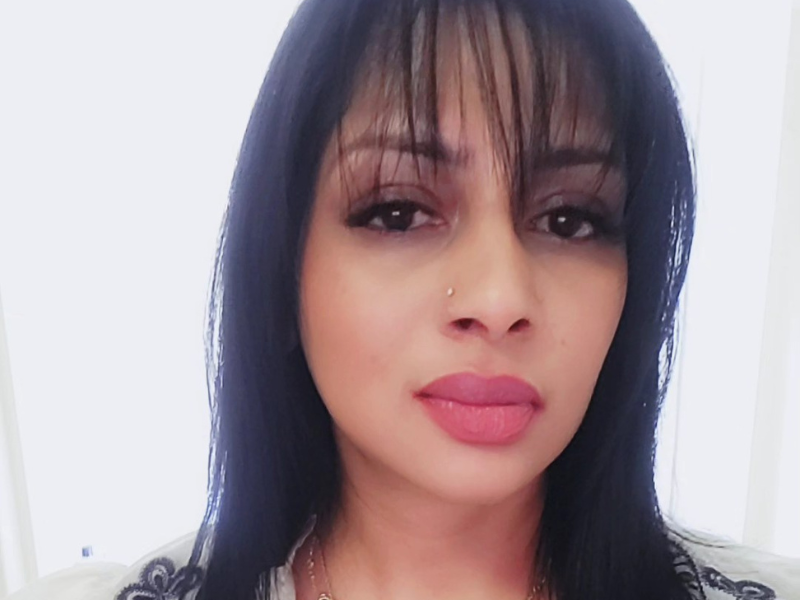
As part of our 16 Days of Activism For No Violence Against Women & Children campaign, we had the privilege of speaking with Tivania Moodley, a writer whose honesty and vulnerability has touched thousands online.
Tivania’s work goes beyond storytelling; it is a guide for understanding, empathy, and healthy relationships in the context of trauma.
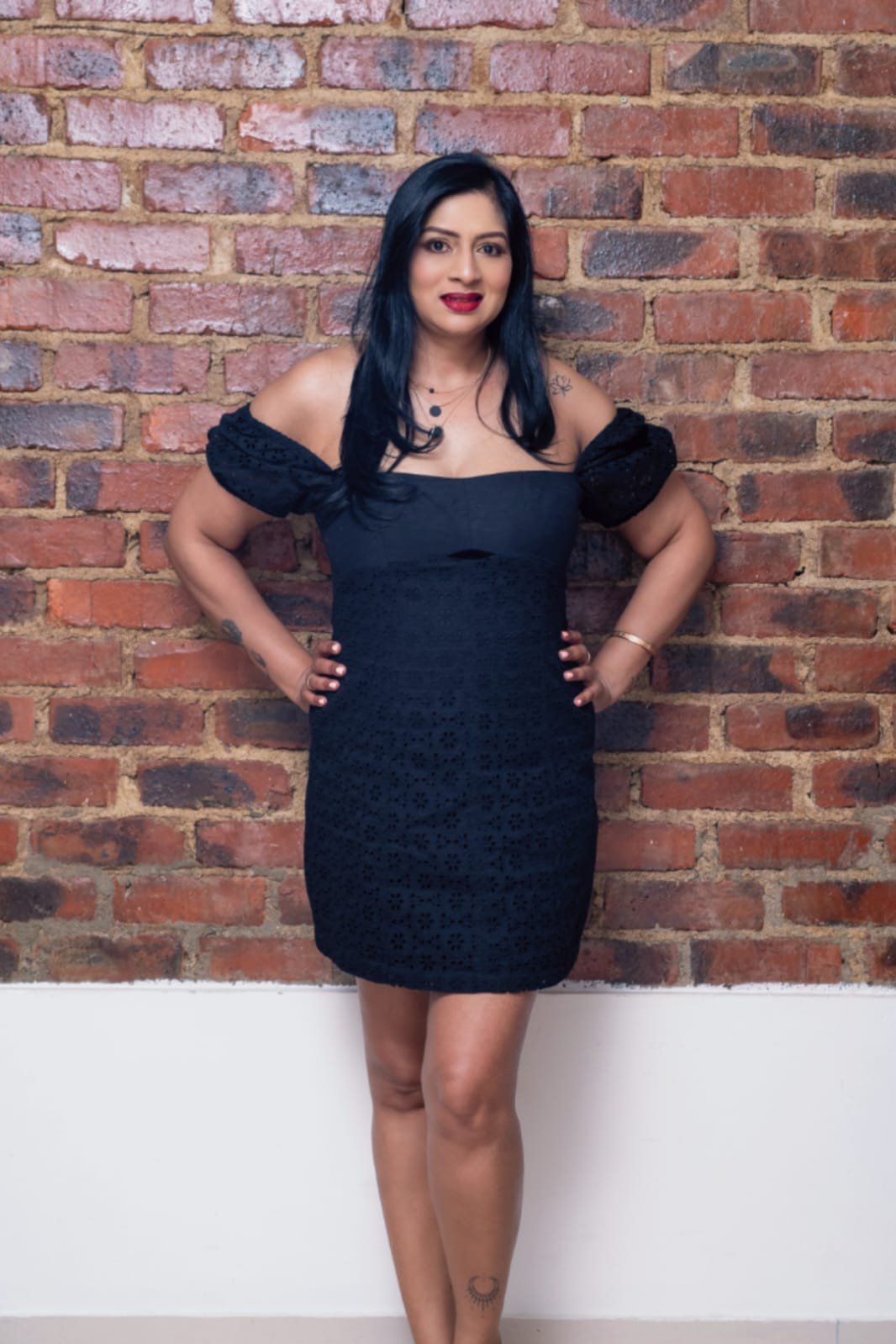
Listen to the full podcast here
Tivania’s writing is both moving and courageous. When asked what inspired her to share her story publicly, she explains that it was about creating a bridge of understanding for those outside the survivor experience.
Her words are not only a reflection of her journey but also a lifeline for men, partners, friends, and society at large who want to support survivors in meaningful ways.
ALSO READ: Shining a light on William Gardens Child & Youth Care Centre
One of the most powerful insights Tivania shared is that “the body remembers even when the spirit has healed.”
Trauma, she explains, can live in the body long after the event has passed, showing up in subtle ways: flinches, heightened alertness, or even difficulties in trust and intimacy.
Many assume that healing erases all effects, but Tivania reminds us that healing is not linear. Even survivors who appear “fine” may carry echoes of trauma that impact daily life and relationships.
ALSO READ: How to help - for real: A practical guide to supporting someone in danger
Tivania speaks passionately about emotional safety, that it’s not optional but essential. For men listening, this means listening, respecting, and creating a space where vulnerability is welcomed without judgement.
She also emphasizes that boundaries are not a sign of fragility. Instead, honouring a survivor’s boundaries is a way to respect their journey, and learning how to navigate these boundaries is key to building trust.
For those who feel frustrated or ask, “why must I pay for another man’s sins?”, Tivania gently challenges this mindset, highlighting that support is not a burden but an act of love that helps a survivor heal.
What healthy love looks like:
A partner who doesn’t destroy but restores embodies empathy, patience, and consistent care. Tivania shares that small, intentional actions, from checking in to respecting limits can be profoundly restorative.
For survivors nervous about dating or intimacy again, her encouragement is clear: it is possible to experience love that is safe, nurturing, and healing.
Tivania stresses that many survivors are misunderstood and silenced, and society at large has work to do. Friends, family, colleagues, everyone can listen without judgement, believe survivors, and offer support that honours their experience.
In the context of the 16 Days of Activism, she wishes South Africans would engage in bolder, honest conversations about trauma, consent, and emotional safety, dismantling shame and stigma along the way.
ALSO READ: When home isn’t safe: Understanding emotional abuse and how we can support survivors
Tivania ends her message with a hope that survivors experience love that lets their nervous system rest, a profound reminder that peace and healing are possible.
If listeners take away one truth from her story, it is this: healing is a journey, and love can be restorative when it is conscious, safe, and compassionate.
For more of Tivania’s story, reflections, and writings, check out her Facebook page.
If you or someone you know needs help
Gender-Based Violence Command Centre: 0800 428 428
SAPS Emergency: 10111
Childline South Africa: 116